For parents in Southwest Omaha, Millard, or even those commuting from the vibrant Aksarben Village or historic Dundee neighborhood, deciding the right time for a child to start voice lessons can feel like a complex decision. With so many activities vying for attention, understanding the developmental readiness for vocal training is key to a positive experience.
While every child develops at their own pace, there are general guidelines and indicators that music educators, particularly those teaching students from Millard Public Schools and the UNO campus area, often look for. These insights help ensure that vocal lessons are not only beneficial but also enjoyable and sustainable for young singers.
Early Foundations: When Curiosity Sparks
Many children show an early interest in singing, often mimicking their favorite artists or belting out tunes from school plays. For children aged 5-7, the focus should be on playful exploration rather than formal technique. Activities like group singing, rhythm games, and basic pitch matching can build a strong foundation without putting undue strain on developing vocal cords. This approach is common in community programs around the Benson area.
At this stage, the goal is to foster a love for music and singing. Private lessons might introduce very gentle exercises, focusing on breath control and healthy vocal habits, but intense technical work is generally avoided. It's about nurturing their natural musicality and building confidence.
The Sweet Spot: Ages 8-12 for Formal Training
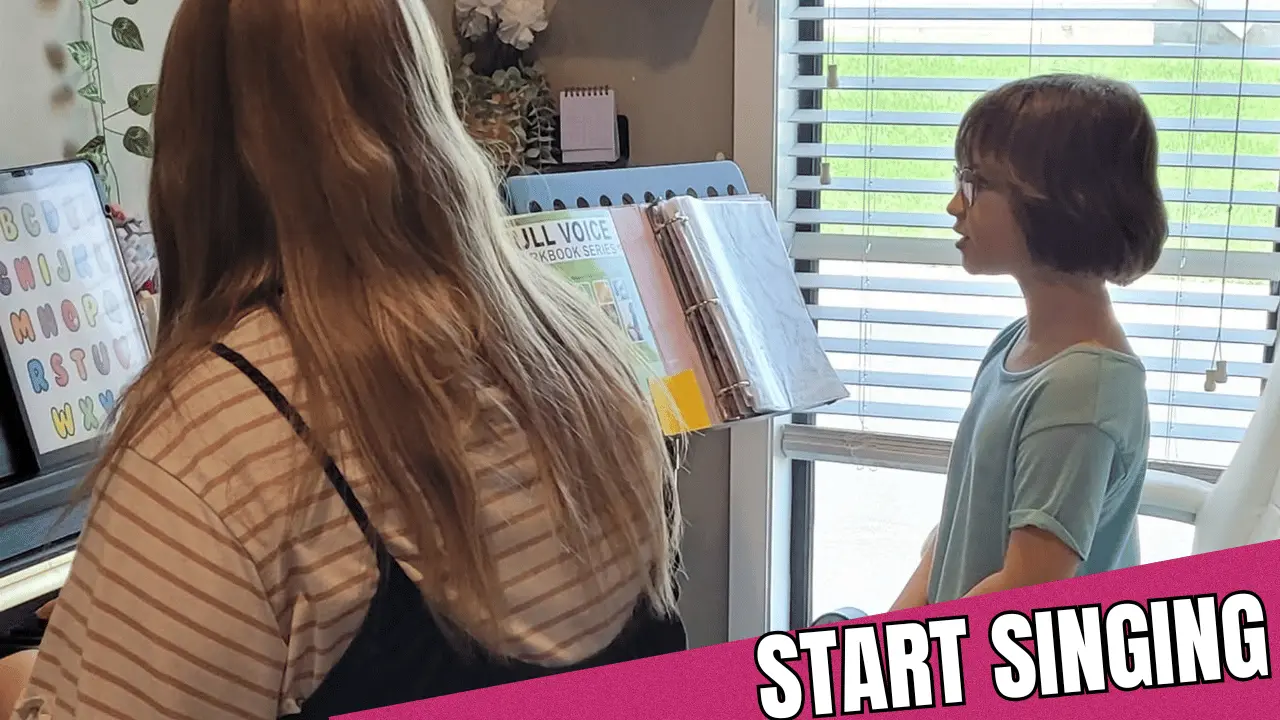
Most vocal teachers in the Omaha area, especially those working with students from various school districts, agree that ages 8-12 often represent the 'sweet spot' for beginning more formal voice lessons. By this age, children typically have better attention spans, can follow multi-step instructions, and their vocal cords are more developed and resilient.
During these years, students can begin to grasp fundamental concepts like proper posture, breath support, pitch accuracy, and basic vocal exercises. Teachers can introduce scales, arpeggios, and simple repertoire, helping students understand their vocal range and develop a healthy, sustainable singing technique.
Teenage Voices: Navigating Change and Specialization
As children enter their teenage years (13+), their voices undergo significant changes, particularly during puberty. This period requires a patient and knowledgeable vocal instructor who can guide them through these transformations without causing damage. For high school students in Omaha, this is often when they start thinking about auditions for school choirs, musicals, or even college programs.
Teenage vocal lessons can delve deeper into advanced techniques, vocal styling, music theory, and performance skills. Teachers can help students explore different genres and develop their unique vocal identity, preparing them for more serious musical pursuits or simply enhancing their enjoyment of singing.
Vocal Lessons in Omaha
Private one-on-one lessons, all ages, all levels. Month-to-month, no long-term contracts.
Email adkinsguitarandmusic@gmail.com.
Sign Up for Vocal LessonsHelpful Next Steps
Not sure which lesson is right? Start with your closest studio and the instrument your student is most excited to try.
Have a question first? Email adkinsguitarandmusic@gmail.com — Zach reads it himself.
Powered by: ZiroWork helps organize the systems behind this site.