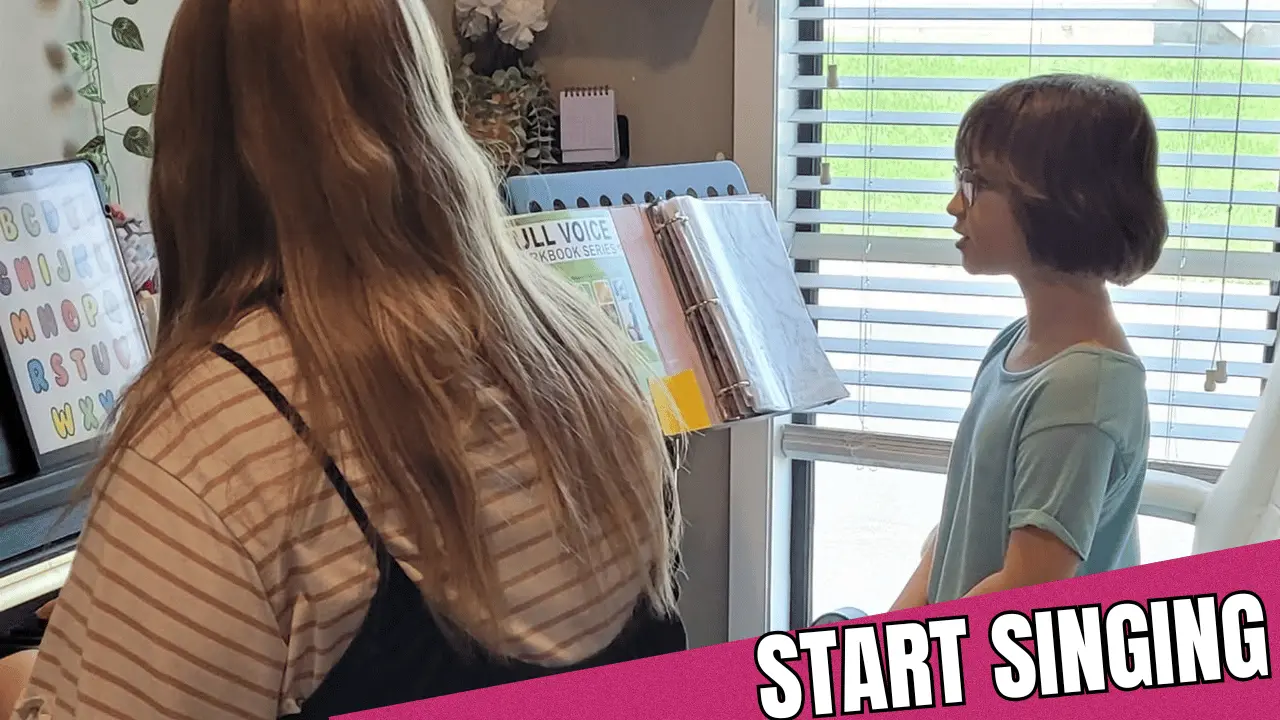
Living in Omaha, whether you're catching a show at the Orpheum or just singing along to the radio on your drive through Dundee, you've probably heard voices that just *nail* every note. Then there are times when someone's a little off, and it's… noticeable. It’s easy to think that singing in tune is some kind of magical gift, but as a music teacher, I can tell you it’s much more about training and technique than raw talent.
Many parents in areas like Millard and Southwest Omaha ask us about this. They want to know if their child can learn to sing in tune, or if they themselves can improve their pitch. The short answer is: absolutely. It takes consistent effort and the right guidance, but anyone can improve their ability to sing accurately. It’s not about being 'tone deaf' – that’s actually quite rare. It’s about developing your ear and your vocal control.
The Two Sides of Singing in Tune: Ear Training and Vocal Control
Singing in tune boils down to two main components: your ear and your voice. Your ear needs to be able to accurately hear and identify pitches. Can you tell if a note is sharp (too high) or flat (too low)? This is where ear training comes in. We work on recognizing intervals, matching pitches, and understanding scales. It’s like learning to distinguish different flavors in cooking – the more you practice, the more refined your palate becomes.
Then there's vocal control. Once your ear knows what pitch to aim for, your voice needs to be able to produce it. This involves breath support, vocal cord coordination, and muscle memory. Think about it: your vocal cords are tiny muscles. Just like any other muscle, they need to be strengthened and trained to respond precisely. Without proper technique, even a great ear can struggle to hit the right notes consistently.
How Long Does It Take to Sing in Tune?
This is the million-dollar question, and the answer, like most things in music, is: it depends. For some, noticeable improvement in pitch accuracy can happen within a few months of consistent lessons and practice. For others, it might take a year or more to feel truly confident. Factors like starting age, natural aptitude, and dedication to practice all play a role. We take kids 5+, adults of any age, and we see progress across the board.
The key is consistency. Short, regular practice sessions (15-30 minutes daily) are far more effective than one long session once a week. It’s about building new neural pathways and muscle memory. With a good vocal coach, you'll get targeted exercises and feedback that accelerate this process, helping you avoid common pitfalls and develop good habits from the start. We've seen students from Benson to Aksarben make incredible strides when they commit to the process.
Beyond Pitch: The Joy of Confident Singing
While singing in tune is fundamental, the journey of vocal lessons offers so much more. It builds confidence, improves breath control, enhances musicality, and provides a fantastic creative outlet. Imagine being able to confidently sing your favorite songs, whether it's for a school talent show, a local open mic night in Midtown, or just for your own enjoyment at home. That's the real reward.
Don't let the fear of being 'off-key' hold you or your child back from exploring the joy of singing. It's a skill that can be learned, refined, and enjoyed for a lifetime. With the right instruction and a little dedication, you'll be surprised at how quickly you can start hitting those notes with precision and passion.
Vocal Lessons in Omaha
Private one-on-one lessons, all ages, all levels. No long-term contracts.
Email adkinsguitarandmusic@gmail.com.
Sign Up for Vocal Lessons →Helpful Next Steps
Not sure which lesson is right? Start with your closest studio and the instrument your student is most excited to try.
Have a question first? Email adkinsguitarandmusic@gmail.com — Zach reads it himself.
Powered by: ZiroWork helps organize the systems behind this site.