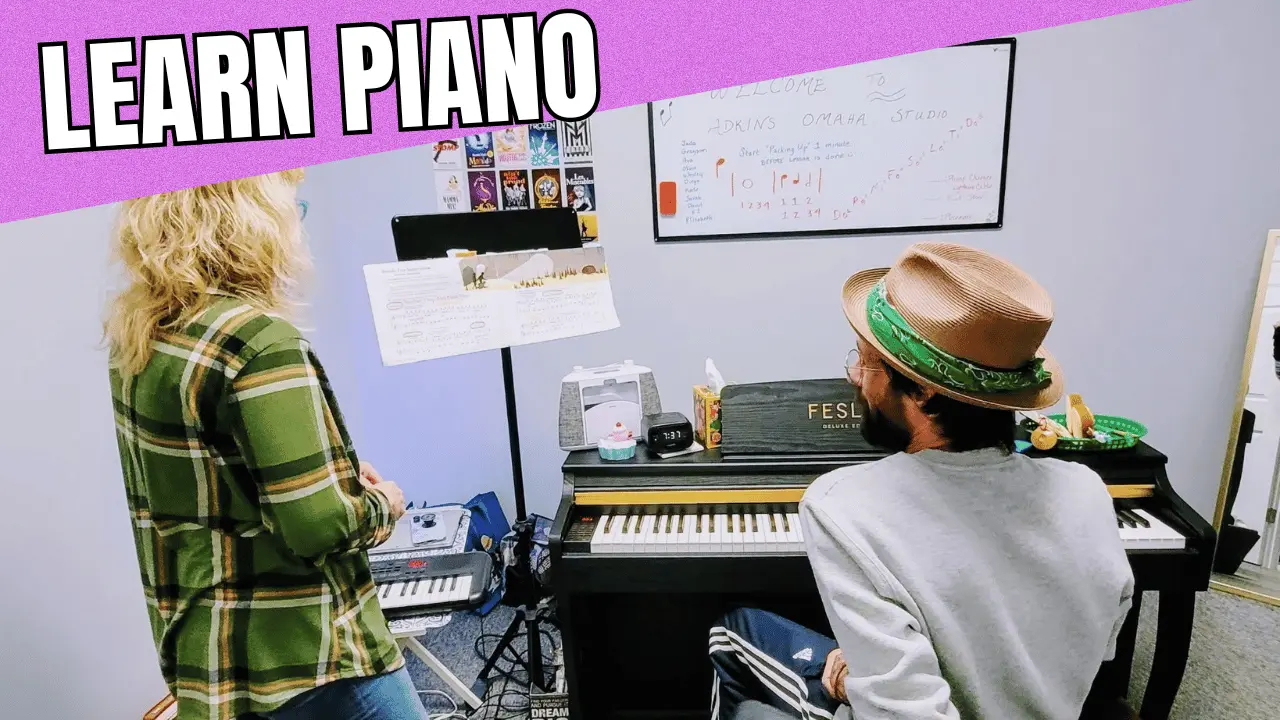
For many families in Southwest Omaha, especially those in the Millard and La Vista areas, the question often arises: should we invest in a traditional piano or a modern digital keyboard for our child's first music lessons? It's a common dilemma, particularly when considering space in homes near Aksarben Village or the bustling Midtown area, and balancing budget with long-term development.
The choice isn't just about cost or size; it significantly impacts a beginner's learning experience, technique development, and overall engagement with music. As experienced music educators in Omaha, we’ve seen firsthand how the right instrument can set a student up for success, whether they're attending Millard Public Schools or exploring lessons near the UNO campus.
The Foundational Feel: Acoustic Piano vs. Digital Keyboard Action
One of the most critical differences for a beginner is the feel of the keys. An acoustic piano, with its weighted hammer action, provides a tactile response that is essential for developing proper finger strength, dexterity, and dynamic control. This physical feedback is irreplaceable for students learning to express nuances in their playing, a skill that is foundational for any serious pianist. Many of our students from the Dundee neighborhood or near Westroads Mall who start on a quality acoustic instrument develop a more robust technique early on.
Digital keyboards, while increasingly sophisticated, often simulate this weighted action. While some high-end models offer a very convincing feel, many entry-level keyboards have lighter, spring-loaded keys. This can hinder a beginner's ability to build the necessary finger strength and control required for more advanced piano repertoire. For a child just starting out in the Benson area, a keyboard might seem convenient, but it's crucial to consider how its action will support their long-term growth.
Sound and Versatility: What You Hear and Create Matters
The rich, resonant sound of an acoustic piano is produced by hammers striking strings, creating complex overtones that digital instruments struggle to replicate perfectly. This natural sound quality is inspiring and helps students develop a keen ear for pitch and timbre. For a young musician in Ralston, hearing the full, unamplified sound of a piano can be a powerful motivator and a crucial part of their auditory training.
Digital keyboards, on the other hand, offer incredible versatility with a vast array of sounds—from different piano types to organs, strings, and synthesizers. They also come with features like metronomes, recording capabilities, and headphone jacks, which can be highly beneficial for practice, especially in busy households. This versatility can be appealing for students who might want to explore different musical styles beyond classical piano, making it a practical choice for some families in central Omaha.
Practical Considerations: Space, Budget, and Portability for Omaha Families
For Omaha families, practical factors like space and budget often play a significant role. An acoustic piano requires a dedicated space and regular tuning, which adds to its maintenance cost. For those living in apartments near Aksarben Village or smaller homes, a full-sized piano might not be feasible. However, the investment in a good acoustic piano can be a family heirloom and a centerpiece for musical learning for years.
Digital keyboards are generally more affordable, require less space, and don't need tuning. Their portability makes them ideal for students who might want to take their instrument to a friend's house or a different room. For families on a tighter budget or with limited space, a quality digital keyboard can be an excellent starting point, allowing their child to begin lessons without a substantial upfront commitment. Many parents in the Millard Public Schools district find this flexibility very appealing.
Piano Lessons in Omaha
Private one-on-one lessons, all ages, all levels. No long-term contracts.
Email adkinsguitarandmusic@gmail.com.
Sign Up for Piano Lessons →Helpful Next Steps
Not sure which lesson is right? Start with your closest studio and the instrument your student is most excited to try.
Have a question first? Email adkinsguitarandmusic@gmail.com — Zach reads it himself.
Powered by: ZiroWork helps organize the systems behind this site.