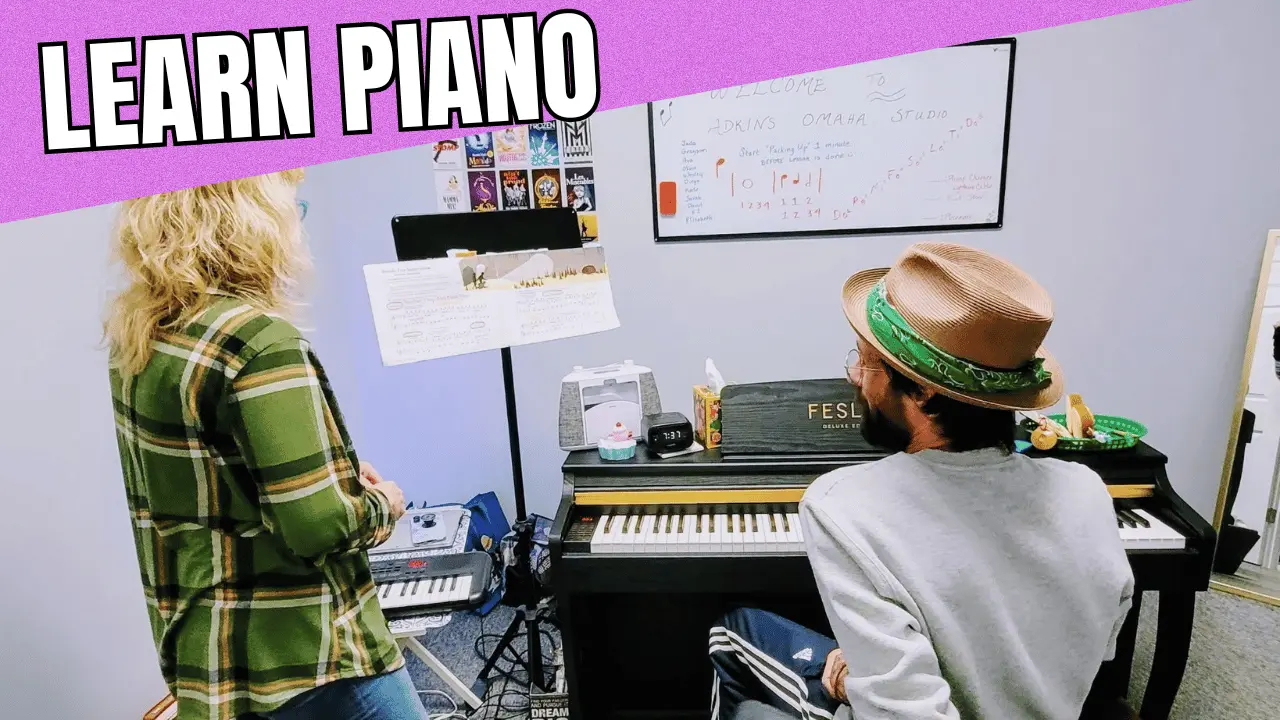
As parents in the bustling Millard or Dundee neighborhoods of Omaha, you invest time, money, and hope into your child's piano lessons. It's natural to wonder if that dedication is truly translating into progress and a genuine love for the instrument.
Determining the effectiveness of piano lessons goes beyond just hitting the right notes; it involves observing a child's engagement, understanding, and developing musicianship. Here's what you need to know recognize the tangible and intangible signs that your child's piano journey is on the right track.
Beyond the Notes: Observing Engagement and Enthusiasm
One of the clearest indicators of successful piano lessons for Omaha children isn't just perfect scales, but their overall enthusiasm. Are they eager for their weekly lesson, perhaps after a busy day at Millard Public Schools? Do they spontaneously sit down at the piano at home, even for a few minutes, to explore or practice a new piece? This intrinsic motivation, often sparked by a supportive teacher and engaging curriculum, is far more valuable than rote memorization.
Look for signs of active participation, not just passive attendance. Do they ask questions about music theory or composers? Do they share what they learned with you? A child who is truly connecting with their piano studies will show curiosity and a desire to understand, whether they're practicing for a recital at Aksarben Village or simply playing for fun at home.
Technical Skills and Musical Understanding: What to Look For
While enthusiasm is vital, tangible progress in technical skills and musical understanding is also essential. Your child should be developing proper posture, hand position, and finger dexterity. Can they play simple pieces with a steady rhythm and appropriate dynamics? Are they beginning to read sheet music with more fluency, recognizing notes and basic musical symbols? These foundational skills are built incrementally, lesson by lesson.
Beyond technique, observe their musicality. Do they play with expression, understanding the mood or story of a piece? Can they identify different musical elements like melody, harmony, and rhythm? A good piano teacher, like those found near the UNO campus, will foster not just technical proficiency but also a deeper appreciation and comprehension of music as an art form.
Communication with Your Teacher: A Partnership for Progress
Effective piano lessons are a partnership between student, parent, and teacher. For parents in Westroads Mall area or Benson, open communication with your child's piano instructor is key. Regular updates on progress, challenges, and goals ensure everyone is aligned. Don't hesitate to ask about specific teaching methods, practice strategies, or how you can best support your child's learning at home.
A dedicated teacher will provide constructive feedback and clear expectations. They should be able to articulate what your child is working on, what milestones they've achieved, and what areas need more focus. This transparency helps you understand the 'why' behind their progress and reinforces the value of their musical education.
Piano Lessons in Omaha
Private one-on-one lessons, all ages, all levels. No long-term contracts.
Email adkinsguitarandmusic@gmail.com.
Sign Up for Piano Lessons →Helpful Next Steps
Not sure which lesson is right? Start with your closest studio and the instrument your student is most excited to try.
Have a question first? Email adkinsguitarandmusic@gmail.com — Zach reads it himself.
Powered by: ZiroWork helps organize the systems behind this site.