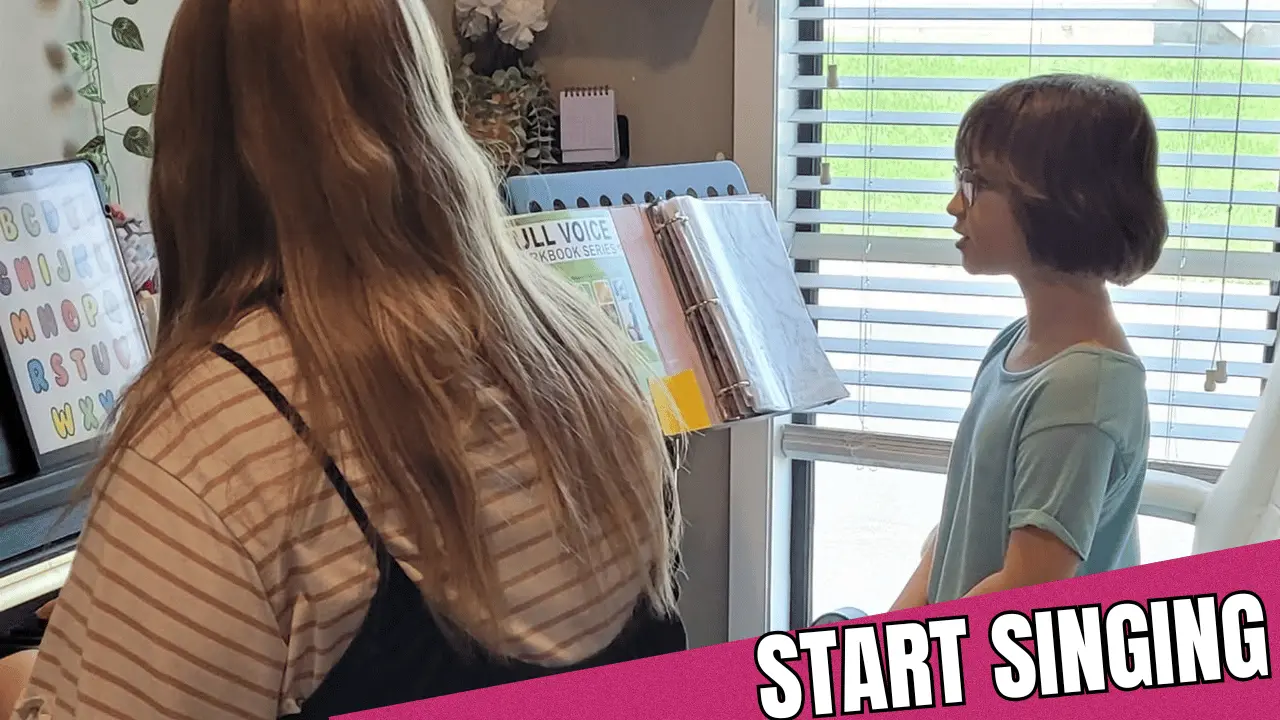
For many student who wants to sings across Southwest Omaha, from Millard to the vibrant Dundee neighborhood, hitting those perfect notes consistently can feel like a constant battle. You pour your heart into a song, only to hear your voice subtly drop below the intended pitch. This 'going flat' can be frustrating, impacting your confidence whether you're performing at a local open mic night near Aksarben Village or just singing for yourself.
Understanding why your voice drifts flat is the first step to correcting it. It's rarely about a lack of talent, but rather a combination of physical technique, ear training, and vocal health. As experienced vocal coaches, we see these issues daily and know that with targeted practice and expert guidance, every singer can develop a more stable and accurate pitch.
The Core Culprits: Why Your Pitch Drops
Going flat often stems from insufficient breath support. Without a steady, controlled stream of air from your diaphragm, your vocal cords lack the consistent pressure needed to maintain pitch. Think of it like trying to keep a kite flying high with weak winds – it will inevitably dip. Singers in the Millard Public Schools choir programs, for instance, often learn early on the importance of deep, abdominal breathing for sustained notes.
Another significant factor is inadequate ear training. Your internal sense of pitch, or audiation, needs to be finely tuned to recognize when you're off-key and make immediate adjustments. Sometimes, vocal fatigue or tension in the jaw, neck, or throat can also cause pitch instability, making it harder to hit notes accurately, especially during longer practice sessions or performances.
Breath Control: Your Foundation for Stable Pitch
Mastering breath control is paramount. Practice diaphragmatic breathing exercises: lie down, place a hand on your abdomen, and feel it rise and fall with each breath. As you sing, focus on maintaining a consistent outward pressure from your core, rather than letting your chest collapse. This steady airflow provides the necessary support for your vocal cords to vibrate at the correct frequency, preventing those frustrating dips in pitch.
In our Omaha studios, we guide students through exercises like sustained 's' sounds or humming on a single note, focusing purely on the evenness of their breath. This builds the muscular memory needed for consistent support, which is crucial for any singer, from beginners to those preparing for auditions at local theaters or university music programs.
Refining Your Ear and Releasing Tension
To improve your ear, regular pitch-matching exercises are essential. Use a piano or a tuning app to play a note, then sing it back, actively listening for any deviation. Record yourself and listen critically. Many students in the Westroads Mall area, for example, find that simply hearing their own voice objectively helps them identify and correct pitch issues more quickly. Solfège and interval training can further sharpen your auditory perception.
Finally, address any physical tension. Warm-ups that include gentle stretches for the neck, shoulders, and jaw can make a huge difference. Hydration is also key for vocal cord health. A relaxed body and a well-lubricated voice are far more likely to produce accurate, resonant tones, helping you sing with the confidence you deserve.
Vocal Lessons in Omaha
Private one-on-one lessons, all ages, all levels. No long-term contracts.
Email adkinsguitarandmusic@gmail.com.
Sign Up for Vocal Lessons →Helpful Next Steps
Not sure which lesson is right? Start with your closest studio and the instrument your student is most excited to try.
Have a question first? Email adkinsguitarandmusic@gmail.com — Zach reads it himself.
Powered by: ZiroWork helps organize the systems behind this site.