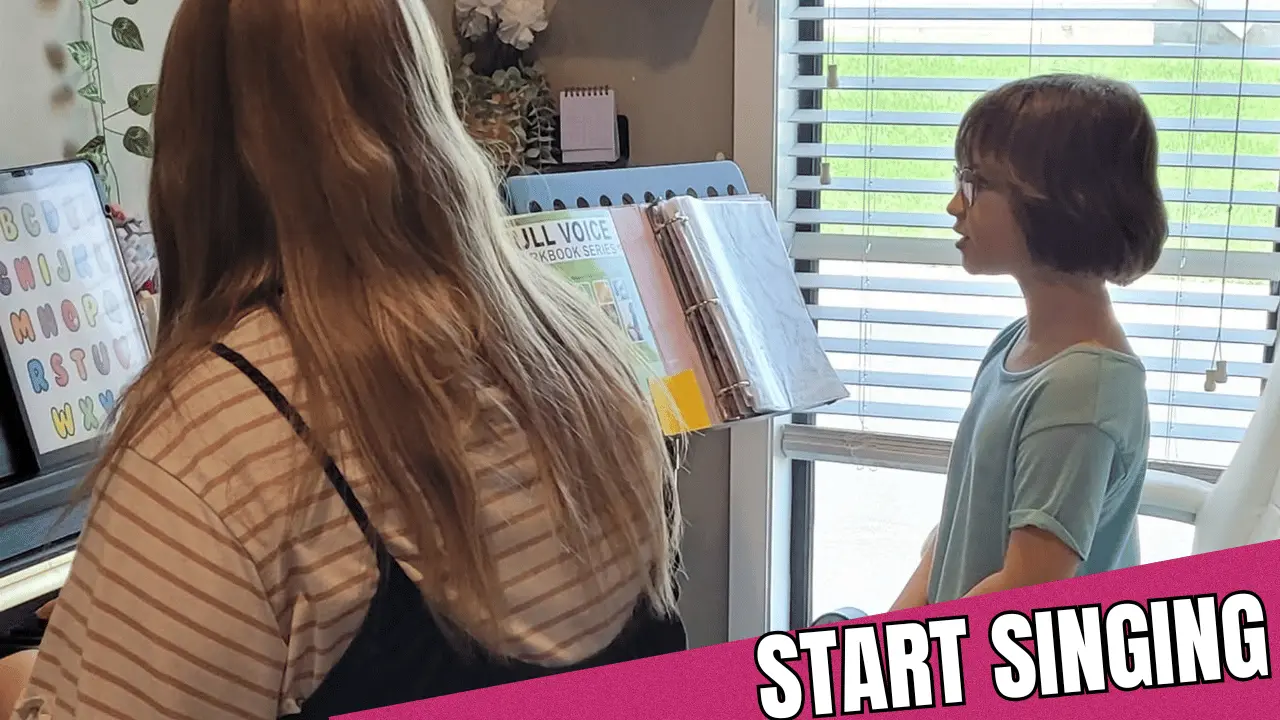
In the vibrant music scene of Omaha, from the budding talents in Millard Public Schools to the aspiring performers in Aksarben Village, developing a captivating singing voice is a common goal. Many local singers dream of adding that professional shimmer to their notes, often wondering how to achieve the elusive vocal vibrato that makes a voice truly soar.
Vibrato, a natural oscillation in pitch, is more than just a stylistic choice; it's a sign of healthy, relaxed vocal production. Understanding its mechanics and learning to cultivate it naturally can transform your singing, adding emotional depth and a polished quality that resonates with audiences across Omaha and beyond.
What Exactly is Vocal Vibrato?
Vibrato is often misunderstood as something singers 'do' to their voice, but it's actually a natural byproduct of efficient and balanced vocal cord function. When your vocal cords are relaxed, adequately supported by breath, and free from tension, they oscillate slightly in pitch and intensity. This creates a gentle, pulsating sound that enriches the tone and allows for sustained notes without sounding strained or flat. Think of it as the natural 'bloom' of a well-produced sound, a hallmark of skilled vocalists from the classical stage to contemporary pop.
For Omaha singers, especially those navigating the competitive performance opportunities around the UNO campus or local venues, recognizing genuine vibrato is key. It's distinct from a wobble (too slow and wide) or a tremolo (too fast and narrow), both of which indicate vocal tension or improper technique. True vibrato is consistent, even, and typically oscillates at a rate of 5-7 cycles per second, adding warmth and flexibility to your vocal delivery.
The Foundations of Natural Vibrato: Breath and Relaxation
Developing natural vibrato begins with mastering foundational vocal techniques: breath support and muscular relaxation. Without proper breath management, the vocal cords cannot sustain the consistent airflow needed for healthy oscillation. Singers in the Westroads Mall area, often juggling busy schedules, might find themselves shallow breathing, which restricts the diaphragm's ability to provide steady, deep support. Focusing on diaphragmatic breathing—breathing deeply into the abdomen—is the first crucial step. This ensures a stable air column, allowing your vocal cords to vibrate freely without undue pressure.
Equally important is releasing tension throughout the body, particularly in the jaw, tongue, and throat. Many student who wants to sings in the Dundee neighborhood or Benson area unconsciously hold tension, which can stifle vibrato or force an artificial one. Gentle stretches, vocal warm-ups that focus on releasing the jaw, and conscious relaxation exercises can help. When the vocal mechanism is free from constriction, the natural vibrato that's inherent in a healthy voice can emerge effortlessly, rather than being something you have to 'create.'
Exercises to Cultivate Your Vibrato in Omaha
Once breath support and relaxation are established, specific exercises can help encourage and strengthen natural vibrato. Sustained vowel sounds on a comfortable pitch, focusing on a steady, unforced tone, are excellent starting points. Try singing a long 'ah' or 'oh' sound, allowing your voice to 'float' on the breath rather than pushing it. As you sustain the note, listen for that gentle oscillation to naturally appear. This isn't about forcing a shake, but rather creating the optimal conditions for your voice to do what it's designed to do.
Another effective technique involves gentle sirens or glissandos, sliding smoothly between notes. This helps to keep the vocal cords flexible and responsive, promoting the natural 'give' required for vibrato. For students in the Ralston or La Vista areas, practicing these exercises consistently, perhaps with the guidance of an experienced vocal instructor, can significantly accelerate the development of a beautiful, consistent vibrato. Remember, patience and consistency are key; vibrato is a skill that blossoms with healthy practice, not something that can be rushed or forced.
Vocal Lessons in Omaha
Private one-on-one lessons, all ages, all levels. No long-term contracts.
Email adkinsguitarandmusic@gmail.com.
Sign Up for Vocal Lessons →Helpful Next Steps
Not sure which lesson is right? Start with your closest studio and the instrument your student is most excited to try.
Have a question first? Email adkinsguitarandmusic@gmail.com — Zach reads it himself.
Powered by: ZiroWork helps organize the systems behind this site.