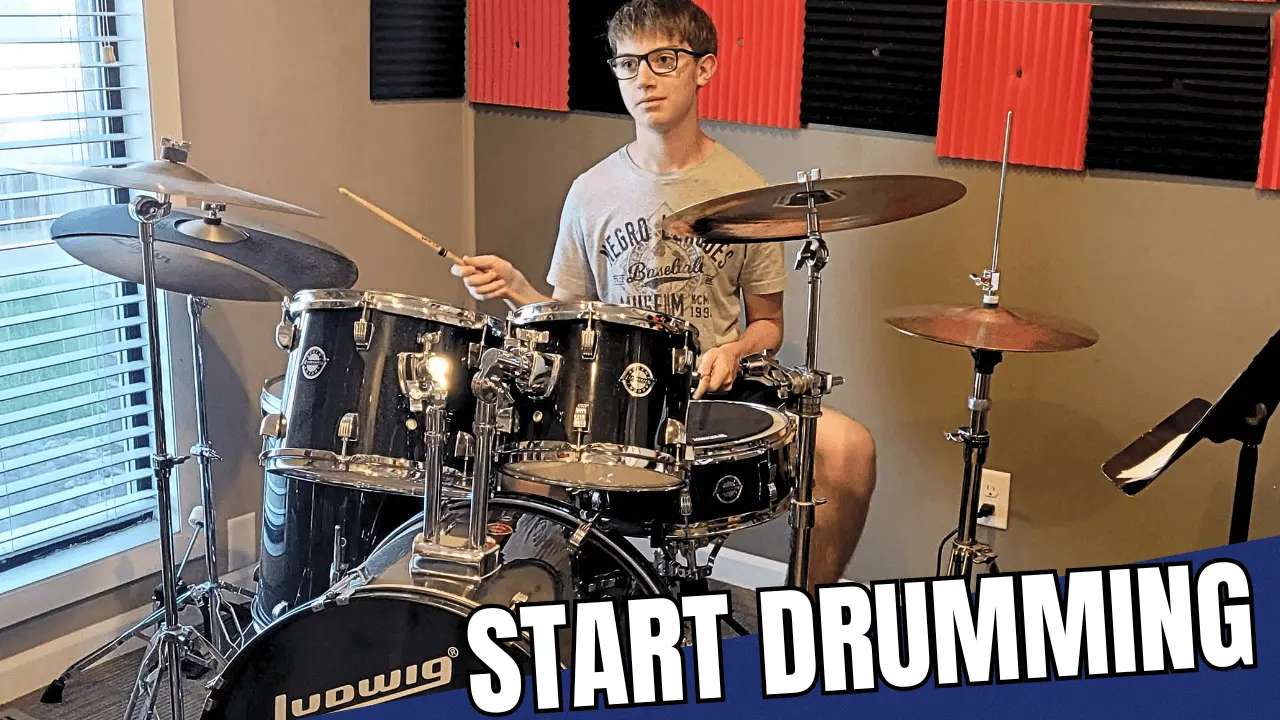
If your kid wants to play drums across Southwest Omaha, from the bustling corridors of Millard Public Schools to the vibrant streets of the Dundee neighborhood, mastering the drum roll is a pivotal step. It's more than just a flurry of notes; it's the heartbeat of dynamic drumming, essential for everything from jazz fills to rock anthems. If you've ever watched a seasoned drummer at a local Aksarben Village gig and wondered how they achieve such seamless transitions, the answer often lies in their command of the roll.
Building a truly effective drum roll isn't about brute force or endless repetition without purpose. It's about precision, control, and a deep understanding of stick mechanics. This guide will break down the proper techniques that allow drummers to develop both blistering speed and nuanced control, ensuring your rolls are not just fast, but musical and impactful.
The Foundation: Grip and Posture for Omaha's Drummers
Before a single beat is played, the correct grip and posture are paramount. For students at Adkins Music Lessons near the Westroads Mall area, we emphasize a relaxed yet firm grip, typically a matched grip for drum rolls, allowing the stick to rebound naturally. Avoid squeezing the sticks too tightly, as this chokes the natural bounce and leads to tension, a common pitfall for beginners. Your fulcrum point — usually between your thumb and forefinger — should be consistent, acting as the pivot for each stroke.
Posture is equally critical. Sit upright with your feet flat on the floor, maintaining a balanced position behind your drum kit. This not only prevents fatigue during long practice sessions but also ensures that your arms and wrists have the freedom of movement necessary for executing smooth, rapid rolls. Think of your body as a stable base from which your hands can operate with maximum efficiency, a principle we instill in every young drummer from La Vista to central Omaha.
Single Stroke vs. Double Stroke Rolls: Understanding the Mechanics
The two primary types of drum rolls are the single stroke roll and the double stroke roll, each with its unique application and technique. The single stroke roll, as its name suggests, involves alternating single strokes (R L R L) at high speed. It's fundamental for building endurance and evenness between hands. Practicing this with a metronome, starting slowly and gradually increasing tempo, is key. Many drummers in the Benson area find success by focusing on the consistency of each stroke, ensuring no hand dominates the other.
The double stroke roll (RR LL RR LL) is where the magic of rebound truly comes into play. Each hand plays two consecutive strokes, with the second stroke often assisted by the drumhead's bounce. The challenge here is to make both strokes sound identical in volume and articulation. This requires delicate control over the stick's rebound. For students attending UNO, understanding the physics of rebound can significantly accelerate their progress, transforming choppy doubles into seamless, flowing rolls.
Building Speed and Control: Progressive Practice for Millard Students
Developing speed and control in drum rolls is a gradual process that demands patience and disciplined practice. Start with slow, deliberate strokes, focusing on the quality of each note rather than the quantity. Use a practice pad to isolate your hands and listen intently to the evenness of your strokes. As you gain confidence, incrementally increase the tempo on your metronome. This systematic approach is far more effective than attempting to play fast rolls prematurely, which often leads to tension and sloppy technique.
Incorporating rudiments like the paradiddle and flam into your practice routine will also enhance your roll capabilities. These exercises build dexterity and coordination, which directly translate to smoother, faster rolls. For busy families in the Millard area, even 15-20 minutes of focused practice daily can yield significant improvements. Remember, consistency trumps sporadic long sessions when it comes to developing muscle memory and refined technique.
Drum Lessons in Omaha
Private one-on-one lessons, all ages, all levels. No long-term contracts.
Email adkinsguitarandmusic@gmail.com.
Sign Up for Drum Lessons →Helpful Next Steps
Not sure which lesson is right? Start with your closest studio and the instrument your student is most excited to try.
Have a question first? Email adkinsguitarandmusic@gmail.com — Zach reads it himself.
Powered by: ZiroWork helps organize the systems behind this site.