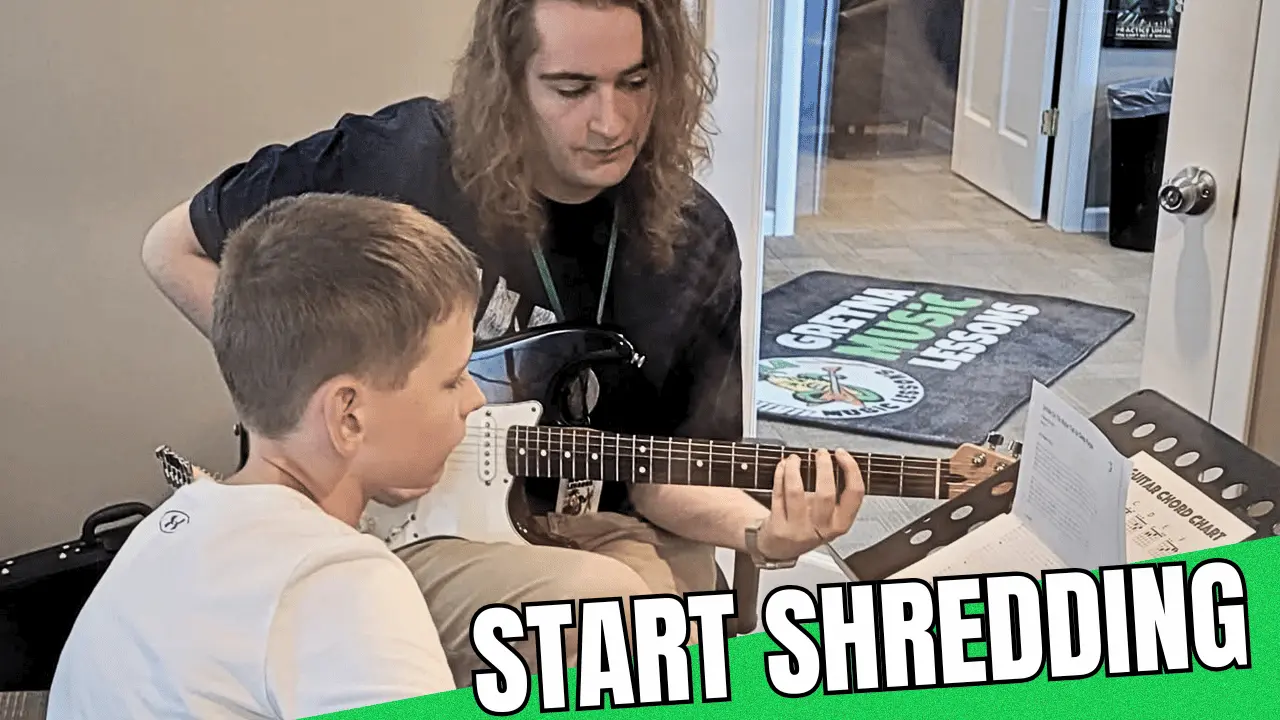
For many student who wants to play guitars in Omaha, whether you're jamming near Aksarben Village or practicing in a quiet Millard neighborhood, the journey often begins with a simple, yet crucial, question: "How do I hold this thing?" The guitar pick, a small but mighty tool, is your direct connection to the strings, and mastering its grip is as foundational as learning your first chord. It's the secret handshake between you and your instrument, influencing everything from your tone to your speed.
A proper pick grip isn't just about comfort; it's about efficiency, control, and unlocking a world of sonic possibilities. Without a solid foundation, you might find yourself battling a slipping pick, inconsistent strumming, or a tone that just doesn't sing. This guide will walk you through the essential principles of holding a guitar pick, ensuring that every note you play, from your first open string to your most complex solo, is delivered with precision and confidence.
The Basic Grip: Comfort Meets Control
Forget what you think you know about gripping things tightly. When it comes to a guitar pick, the goal is a relaxed yet firm hold that allows for maximum control without tension. Imagine you're shaking hands with a friend; you wouldn't crush their hand, nor would you offer a limp fish. The same principle applies here. For students attending Adkins Music Lessons near Westroads Mall, we often start by demonstrating the 'eagle claw' grip: curl your index finger slightly, place the pick on its side, and then gently rest your thumb on top, parallel to the pick's edge. This creates a natural pivot point.
The key is to expose just enough of the pick's tip to strike the strings. Too much pick, and you'll get stuck; too little, and you'll lack power and tone. Experiment with the angle at which the pick meets the strings. A slight angle (often called "pick slanting") can reduce friction and improve fluidity, especially for faster passages. This subtle adjustment can make a huge difference in your playing, whether you're practicing scales for your Millard Public Schools talent show or learning a new riff for your band.
Finding Your Sweet Spot: Angle, Pressure, and Attack
Every guitarist's hand is unique, and what feels right for one might not for another. The 'sweet spot' for your pick grip involves a delicate balance of angle, pressure, and attack. Think about the dynamics you want to achieve. A lighter touch with less pick exposed might be perfect for delicate arpeggios, while a firmer grip with more pick can drive powerful rock riffs. Our instructors at Adkins Music Lessons, serving the Dundee and Benson areas, emphasize listening to your tone as you experiment. Does it sound thin? Too harsh? The pick grip is often the first place to troubleshoot.
Consider the angle of your wrist and forearm. Many beginners tend to lock their wrist, leading to stiff playing. Instead, allow your wrist to be flexible, acting as a hinge. This wrist movement, combined with a proper pick grip, is crucial for developing speed and endurance. It's a bit like a golfer's swing; the power comes from the fluidity of the motion, not just brute force. Practicing this fluidity will serve you well, whether you're preparing for a performance at UNO or just enjoying a quiet practice session at home.
Common Pitfalls and How to Avoid Them
One of the most common mistakes beginners make is gripping the pick too tightly. This 'death grip' leads to tension in the hand and forearm, restricting movement, causing fatigue, and producing a harsh, choked tone. If your hand aches after a few minutes of playing, you're likely holding it too tight. Another pitfall is letting the pick rotate or slip. This often indicates an inconsistent grip or an improper angle of attack. Regular practice with a focus on relaxation and consistency is key to overcoming these issues.
Another error is using the wrong pick thickness for your style. While not strictly about the grip, a pick that's too thin can be flimsy and hard to control, while one that's too thick can feel clunky. Experiment with different gauges to find what suits you best. Our experienced teachers at Adkins Music Lessons in central Omaha can guide you through these choices, helping you develop good habits from day one. Remember, the goal is to make the pick feel like an extension of your hand, not a foreign object you're wrestling with.
Guitar Lessons in Omaha
Private one-on-one lessons, all ages, all levels. No long-term contracts.
Email adkinsguitarandmusic@gmail.com.
Sign Up for Guitar Lessons →Helpful Next Steps
Not sure which lesson is right? Start with your closest studio and the instrument your student is most excited to try.
Have a question first? Email adkinsguitarandmusic@gmail.com — Zach reads it himself.
Powered by: ZiroWork helps organize the systems behind this site.