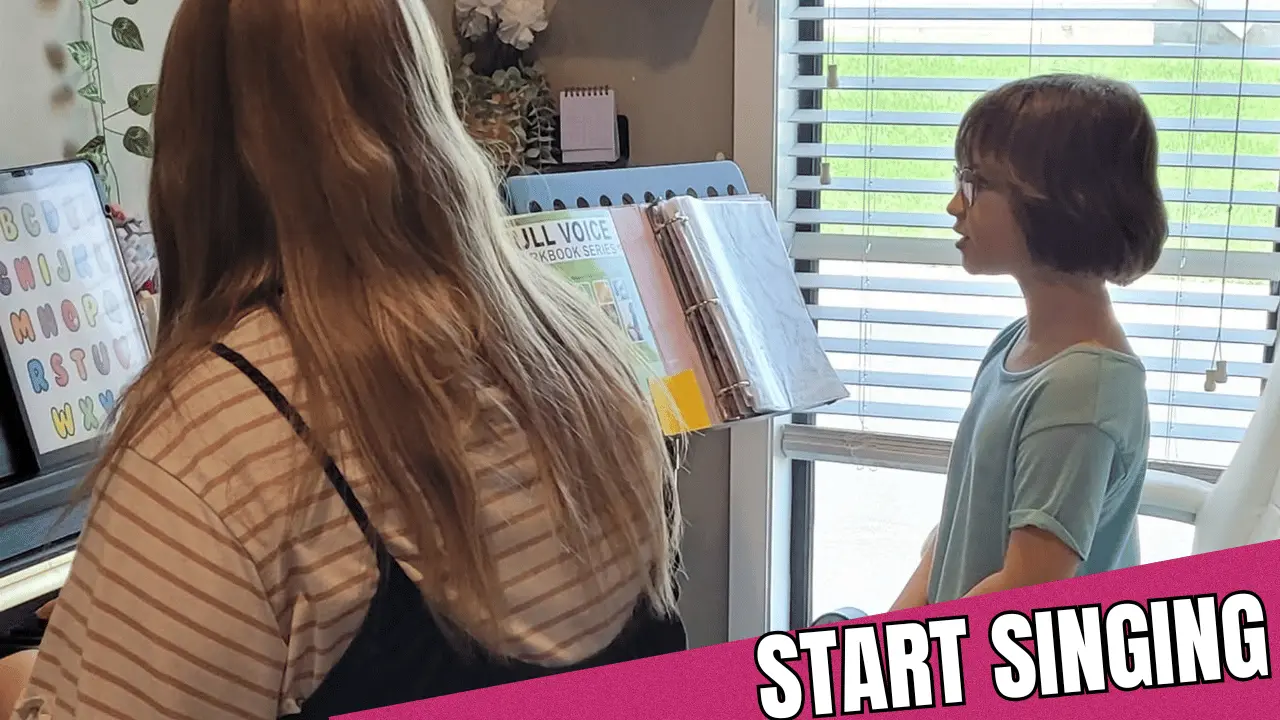
For many in the Millard and Southwest Omaha area, the dream of singing often starts with a simple question: 'What kind of voice do I have?' Whether you're humming along to tunes in Aksarben Village or considering joining a choir at Millard Public Schools, knowing your vocal range is fundamental to finding your comfort zone and maximizing your potential.
Your vocal range defines the span of notes you can comfortably sing, from the lowest to the highest. It's not about hitting every note, but about understanding your natural instrument. This guide will demystify the process, offering a straightforward approach for beginners to discover their unique vocal boundaries.
Why Knowing Your Vocal Range Matters for Omaha Singers
Understanding your vocal range is more than just a fun fact; it's a practical tool for any student who wants to sing in Omaha. It helps you choose appropriate songs that suit your voice, preventing strain and promoting healthy vocal habits. Imagine trying to sing a soaring soprano aria when you're naturally a rich baritone – it would be frustrating and potentially damaging. Knowing your range allows you to select repertoire that showcases your strengths, whether you're performing at a local open mic night in Dundee or practicing for a school talent show.
Furthermore, vocal range is a key component in vocal training. A good instructor, like those at Adkins Music Lessons near the UNO campus, uses this information to tailor exercises and warm-ups specifically for your voice type. It guides the development of your voice, helping you expand your capabilities safely and effectively, rather than pushing your voice beyond its natural limits. This foundational knowledge ensures a more enjoyable and productive learning journey.
Simple Steps to Discover Your Vocal Range at Home
Finding your vocal range doesn't require a professional studio; you can start right at home. All you need is a piano, keyboard, or a vocal range finder app on your phone. Begin by finding middle C (C4 on a piano). From there, sing down the scale chromatically (hitting every note, black and white keys) as low as you can comfortably go, without pushing or straining. Make a note of the lowest note you can produce clearly.
Next, return to middle C and sing up the scale chromatically, going as high as you can comfortably reach. Again, avoid straining or forcing the notes. The goal is to find your natural, comfortable limits, not to scream. The highest note you can sing clearly marks the upper end of your range. The span between your lowest and highest comfortable notes is your vocal range. Practice this a few times to get a consistent result.
Interpreting Your Results: What Your Range Means
Once you've identified your lowest and highest comfortable notes, you can compare them to common vocal classifications. While these are general guidelines, they provide a good starting point: Soprano (C4-C6), Mezzo-Soprano (A3-A5), Alto (F3-F5), Tenor (C3-C5), Baritone (G2-G4), and Bass (E2-E4). Remember, these are approximate, and many voices fall between categories or have unique qualities. Your vocal range is a dynamic thing that can expand with proper training and practice.
Don't be discouraged if your initial range feels limited. Vocal training is all about developing and strengthening your voice. With consistent practice and guidance from experienced instructors, you can improve your breath control, resonance, and flexibility, which often leads to a natural expansion of your vocal range. The journey of vocal discovery is ongoing, and every singer, from beginners in Benson to seasoned performers, continues to refine their instrument.
Vocal Lessons in Omaha
Private one-on-one lessons, all ages, all levels. No long-term contracts. Sign up today at our Omaha studio.
Email adkinsguitarandmusic@gmail.com.
Sign Up for Vocal Lessons →Helpful Next Steps
Not sure which lesson is right? Start with your closest studio and the instrument your student is most excited to try.
Have a question first? Email adkinsguitarandmusic@gmail.com — Zach reads it himself.
Powered by: ZiroWork helps organize the systems behind this site.