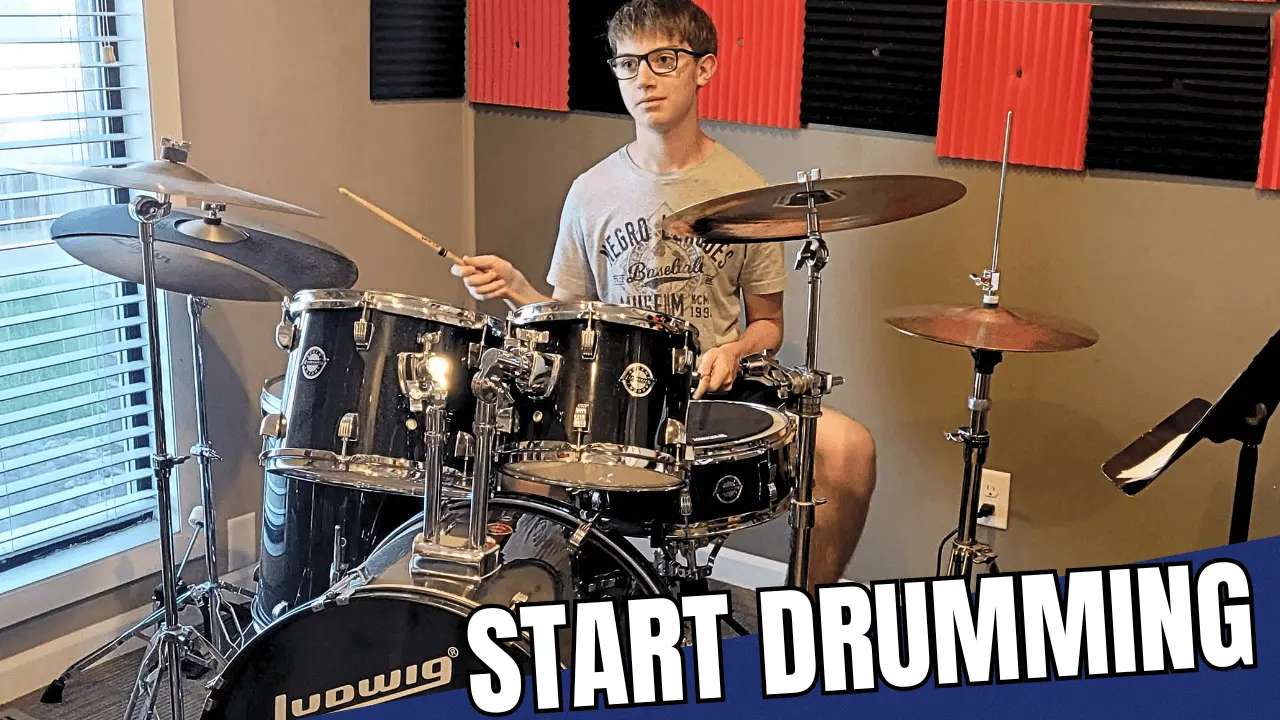
In the vibrant music scene of Omaha, from the stages of Aksarben Village to the practice rooms near Millard Public Schools, drummers are always looking for that edge. It's not just about hitting hard; it's about precision, groove, and making every beat count. If you're a beginner drummer in the Westroads Mall area or near the UNO campus, you've probably noticed some players just sound... tighter.
That 'tightness' often comes down to one crucial element: hi-hat control. It's the subtle art of manipulating this often-underestimated cymbal that truly separates a novice from an intermediate player. Mastering the hi-hat allows you to add dynamic layers, articulate rhythms with clarity, and create a more professional, polished sound that elevates your entire drumming performance.
The Foundation: Open, Closed, and Foot Control
Many beginner drummers in Omaha focus heavily on kick and snare, often treating the hi-hat as a simple timekeeper. However, true hi-hat mastery begins with understanding its three fundamental states: fully closed, open (with varying degrees), and foot-controlled. Practicing seamless transitions between these states is paramount. For instance, try playing a simple rock beat while alternating between closed hi-hat on the eighth notes and a quick open-close on the 'and' of two, using your foot to choke the cymbal.
Developing independent foot control for the hi-hat is a game-changer. This allows you to play intricate patterns with your hands while simultaneously adding accents or sustained sounds with your foot. Drummers in the Benson or Dundee neighborhoods looking to refine their technique should spend dedicated time on exercises that isolate the hi-hat foot, focusing on consistent pressure and rhythmic accuracy. This foundational work builds the muscle memory needed for more advanced patterns.
Dynamic Articulation: Shaping Your Groove with the Hi-Hat
Beyond just open and closed, the hi-hat offers a spectrum of sounds that can dramatically alter the feel of a groove. From the crisp 'chick' of a tightly closed hi-hat to the shimmering 'sizzle' of a loosely open one, each nuance adds character. Experiment with different stick placements – playing closer to the bell for a brighter sound, or near the edge for a softer wash. This dynamic articulation is what gives a drummer their unique voice, much like how different artists contribute to Omaha's diverse music scene.
Intermediate drummers understand that the hi-hat isn't just about rhythm; it's about texture and feel. Consider how a slight opening on the upbeat can create a sense of lift, or how a series of quick, choked hi-hats can build tension. These subtle dynamic shifts are what make a drum part breathe and connect with the other instruments. It's about making musical choices, not just playing notes, a skill honed through dedicated practice and listening.
Timing and Consistency: The Unsung Heroes of Hi-Hat Playing
Even the most complex hi-hat patterns lose their impact without impeccable timing and consistency. A solid internal clock, combined with precise execution, ensures that your hi-hat work anchors the band rather than detracting from it. Practice with a metronome, focusing not just on hitting the beat, but on the exact attack and decay of each hi-hat stroke. This meticulous attention to detail is what allows drummers to lay down a rock-solid foundation, whether they're playing in a school band at Millard Public Schools or a gig downtown.
Consistency in volume and articulation is equally vital. Avoid erratic dynamics unless intentionally used for effect. The goal is to make every hi-hat stroke sound deliberate and controlled, creating a seamless rhythmic flow. This level of precision requires patience and disciplined practice, but the payoff is immense: a drumming sound that is both technically proficient and deeply musical, earning respect from fellow musicians and captivating audiences.
Drum Lessons in Omaha
Private one-on-one lessons, all ages, all levels. No long-term contracts.
Email adkinsguitarandmusic@gmail.com.
Sign Up for Drum Lessons →Helpful Next Steps
Not sure which lesson is right? Start with your closest studio and the instrument your student is most excited to try.
Have a question first? Email adkinsguitarandmusic@gmail.com — Zach reads it himself.
Powered by: ZiroWork helps organize the systems behind this site.